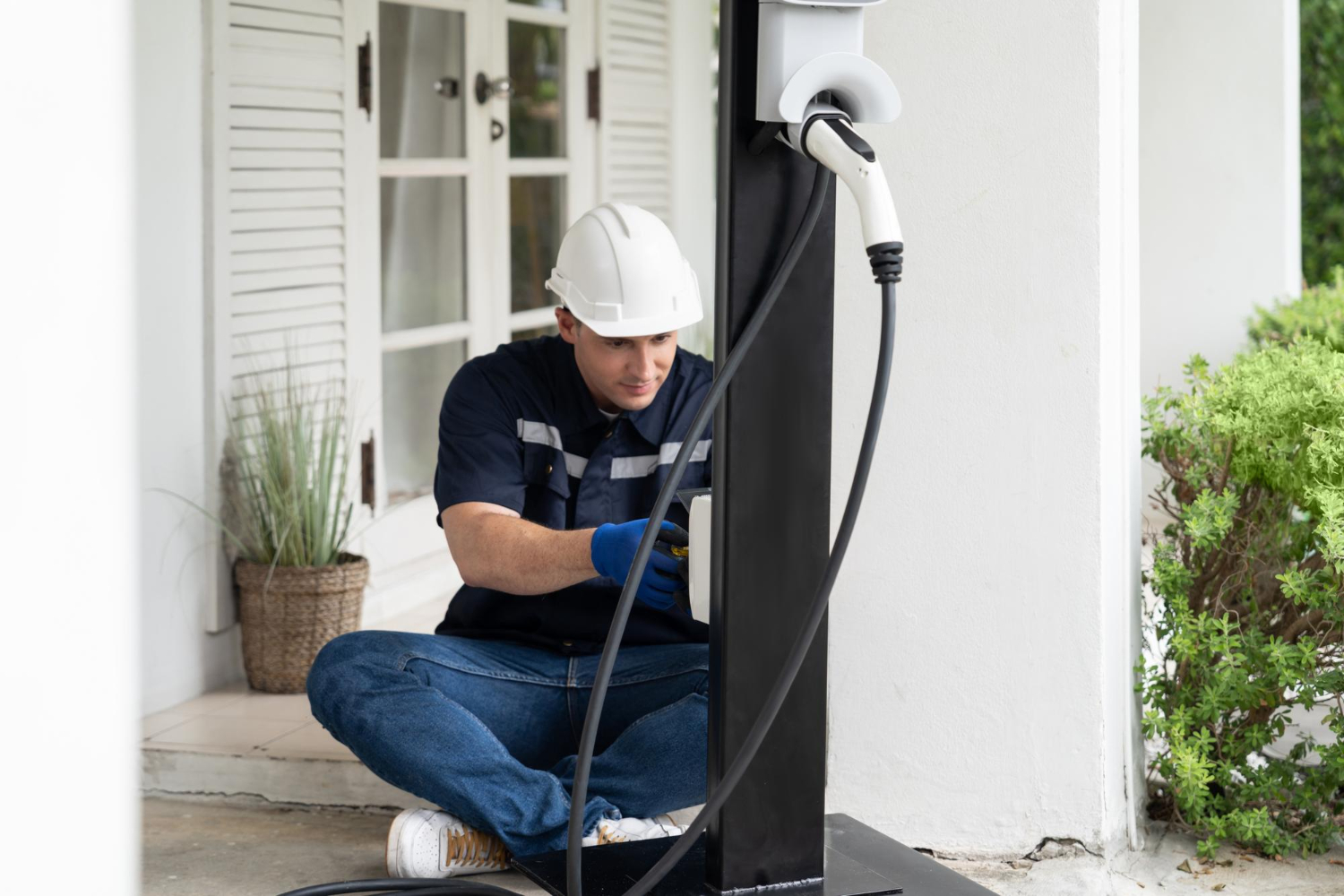
EV Charger Installation in Scottsdale, AZ: What Homeowners Need to Know
Level 2 EV charger installation in Scottsdale AZ usually means adding a 240‑volt, dedicated circuit in your garage or driveway so you can reliably recharge overnight. Most Scottsdale homeowners outgrow slow Level 1 charging quickly, so a properly sized Level 2 circuit, permits, and code‑compliant work are essential for safe, convenient daily charging in Arizona’s heat.
What Should Scottsdale Homeowners Know About EV Charging?
Across Scottsdale, Phoenix, Surprise, and the East Valley, EV ownership is growing fast. Many newer homes already have stronger electrical infrastructure, but that does not automatically mean they are ready for a high‑demand EV circuit. Load calculations, proper breaker sizing, and permits are still needed.
Level 2 home charging usually involves a 240‑volt circuit on its own breaker, sized for the charger and wired with copper conductors in conduit. The Arizona Department of Housing expects residential electrical work to follow the National Electrical Code (NEC) and local amendments, which is why licensed installation is so important.
For typical Scottsdale projects, a licensed electrician will evaluate your existing panel, discuss parking and cable reach, and outline permit requirements before work begins. That upfront planning helps you understand possible extras, like trenching or drywall repair, before you approve the project.
Level 1 vs. Level 2 vs. DC Fast Charging: Key Differences
Level 1 charging uses a standard 120‑volt household outlet. It typically adds only a few miles of range per hour, which is often not enough for daily commuting in the Phoenix metro, especially if you drive from Scottsdale or Surprise across town.
Level 2 charging runs on 240 volts with a dedicated circuit, similar to an electric dryer or range. For most EV charger installation Surprise and Scottsdale homeowners consider, Level 2 is the practical option because it can usually refill a typical battery overnight.
DC fast charging is what you see at public charging stations along highways and major roads. These units are high power, expensive, and rarely installed at homes. Most Scottsdale homeowners rely on convenient Level 2 home charging, then use DC fast chargers only for long road trips.
How Much Does Level 2 EV Charger Installation Cost in Scottsdale AZ?
A complete Level 2 setup includes several cost components:
Charger unit
Electrical materials like wire, conduit, and breakers
Labor for installation and testing
Permits and inspections
Panel or subpanel work if needed
Shorter wire runs with open access between the main panel and the parking spot are usually the most straightforward. Longer runs, finished walls, exterior trenching, or a panel upgrade will increase overall cost, so there is no one number that fits every Scottsdale or Phoenix home.
Scottsdale has a mix of newer subdivisions and older neighborhoods. Newer homes may already have space in the panel or even rough 240‑volt wiring in the garage, which can lower costs. Older properties may need added capacity or load management to safely support an EV charger.
Homeowners should expect clear written estimates showing material, labor, and permit line items, along with an explanation of what could raise or lower the final cost so invoices do not contain surprises.
Do You Need a Permit for an EV Charger in Scottsdale or Phoenix?
For most permanent Level 2 installations in the Phoenix metro, including Scottsdale and Phoenix, you should plan on an electrical permit. Unpermitted work can cause problems with insurance claims and future home sales if an inspector or buyer asks for documentation.
The basic permitting process usually involves:
Application with project description
Plan review when required by the city
Rough or final inspection by a city inspector
Sign‑off confirming code compliance
Local code officials and the Arizona Department of Housing expect EV charger work to meet NEC standards and local rules. Many licensed electricians include permit paperwork and inspection scheduling as part of the project scope, and you should see permitting called out clearly in your written estimate.
How Do APS and SRP Requirements Affect Home EV Charger Projects?
The Phoenix metro is split mainly between APS and SRP service territories. Which utility serves your home matters for rate plans, any EV programs, and how added electrical load is evaluated.
APS and SRP may require notification or documentation of new high‑demand circuits. Many utility rebates or special EV charging rate plans, when available, require that the charger be installed by a licensed contractor with proper permits. Using a qualified electrician also helps protect charger manufacturer warranties and makes sure your overall service capacity is not overloaded.
How Arizona Heat Affects EV Charging and Home Electrical Systems
Arizona summer heat affects both EVs and home electrical equipment. EV batteries and onboard thermal management systems work harder in extreme temperatures, so many drivers in Scottsdale and Phoenix prefer overnight charging when ambient temperatures are lower.
High ambient heat in garages and on exterior walls also stresses electrical components. Breakers, wiring, and terminations must be sized and installed correctly to handle the combined load of AC systems, appliances, and EV charging. The National Fire Protection Association (NFPA) reports that electrical distribution and lighting equipment were involved in an estimated 32,160 home structure fires per year between 2015 and 2019, underscoring why safe wiring and proper load management really matter.
Does Your Scottsdale Home Need a Panel Upgrade for EV Charging?
Before any EV charger installation, a qualified electrician should review the existing panel and service. That typically includes:
Service size, such as 100‑amp, 150‑amp, or 200‑amp and above
Number of open breaker spaces or physical room for new circuits
Overall load, including HVAC, pool pumps, electric ranges, dryers, and other large appliances
In some homes, adding a dedicated EV circuit is simple. In others, formal load calculations show that a panel upgrade or subpanel makes sense. The Electrical Safety Foundation International (ESFI) notes that homes more than 40 years old are more likely to have outdated electrical systems that struggle with modern loads, and many older Scottsdale and Phoenix homes were built long before EV‑level demand was common.
What to Look for When Hiring an EV Charger Electrician in Scottsdale
For EV charger installation in Scottsdale AZ or Surprise, you want more than just anyone who can run wire. Key things to check are:
Active AZ ROC license and verifiable business
Proof of insurance and bonding
Specific EV charger installation experience
Solid local reviews from Phoenix metro homeowners
Transparent pricing and written estimates are also important so you do not get surprise invoices after the work is done. It helps to ask about familiarity with APS and SRP programs, preferred charger brands, and how the contractor designs installations for Arizona heat, including placement in a hot garage.
EV Charger Installation Rebates and Incentives in Arizona
At the federal level, an EV charger tax credit is available under Internal Revenue Code Section 30C. This generally covers a percentage of qualifying hardware and installation costs up to a capped amount, subject to current IRS rules and eligibility.
APS and SRP have offered EV‑related incentives or special charging rate plans at various times. These programs can change or pause as funding and utility policies shift, so homeowners in Scottsdale, Phoenix, and Surprise should check current information directly with the utility and review IRS and Arizona Department of Revenue resources. A licensed electrician can usually provide the documentation you need for any incentive application.
How Statistics Support Safe, Code-Compliant EV Charger Installation?
NFPA data show that electrical distribution and lighting equipment were involved in about 10% of reported home structure fires annually from 2015, 2019, highlighting the importance of properly designed circuits and quality components (NFPA). The U.S. Energy Information Administration (EIA) reports that average U.S. residential electricity consumption increased from about 10,649 kWh per household in 2001 to roughly 10,791 kWh in 2020, reflecting higher electric demand in many homes.
ESFI notes that arc‑faults are responsible for an estimated 28,000 home fires in the U.S. each year, causing hundreds of injuries and significant property damage. Combined with Arizona’s extreme heat and growing EV adoption, these statistics reinforce why Scottsdale homeowners should insist on permitted, code‑compliant work and clear documentation.
How Scottsdale Homeowners Can Plan Level 2 Charger Placement
Planning starts with how you park and move around your property. Consider:
Distance from the main electrical panel to your usual parking spot
Cable reach to one or more vehicles
Shade and protection from direct afternoon sun
Garage versus exterior mounting and how it affects everyday use
Many homeowners in Scottsdale and Surprise also think ahead to a second EV or visiting family with EVs. Sizing circuits and routing conduit with future needs in mind can reduce the cost of adding another charger or outlet later.
When to Upgrade Your Electrical Panel or Improve Wiring?
Signs that a system may be undersized or outdated include frequent breaker trips, warm or discolored panels, limited breaker spaces, or very old service equipment. Pairing a panel upgrade with an EV project can make sense if you are already planning a remodel, pool installation, or new HVAC work.
ESFI recommends that homes more than a few decades old or those adding major new loads be evaluated by a licensed electrician. In the Scottsdale and Phoenix metro area, combining a panel upgrade with EV charger installation can help keep everything aligned with code and ready for future electrical needs.
Why Does Transparent, Local Expertise Matter for Scottsdale EV Charger Installations?
Working with a local, non‑franchise contractor means your electrician knows Scottsdale permitting offices, Phoenix metro inspection practices, and typical APS or SRP requirements. That local experience helps keep projects on track and reduces surprises.
Clear expectations are just as important as technical skill. Homeowners should expect written scopes of work, estimated ranges that explain what could change costs, and open discussion of possible extras like drywall repairs or trenching. At County Electric Co., decades of Phoenix‑area experience guide EV charger installation Surprise and Scottsdale homeowners can rely on, with work done right the first time, at a fair and reasonable price.
Frequently Asked Questions About EV Charger Installation in Scottsdale
How Much Does EV Charger Installation Cost in Scottsdale AZ?
Costs vary with charger type, wire length, panel capacity, and whether any upgrades are needed. Simple installations near the panel are generally at the lower end, while long runs or panel work increase the total. Expect a written estimate that clearly separates materials, labor, permits, and any potential extras so final invoices match your expectations.
Do I Need a Permit for EV Charger Installation in Scottsdale?
Most permanent Level 2 chargers in Scottsdale and Phoenix require an electrical permit. This helps verify that the work meets NEC and local code. Licensed electricians typically handle the permit and inspection process for you and should list permit fees in the estimate.
What Is the Best Level 2 EV Charger for a Scottsdale Home?
The right charger depends on your vehicle, parking layout, and driving habits. Many homeowners choose wall‑mounted units with Wi‑Fi or app controls, while others prefer a simple, reliable plug‑in model. An experienced electrician can match charger capacity and features to your needs, existing panel space, and future EV plans.
Will My Electrical Panel Handle an EV Charger?
Some panels have enough capacity and free spaces for a new dedicated circuit, while others are already close to their limits. A load calculation that considers HVAC, pool pumps, electric ranges, dryers, and other large appliances will show what is safe. If necessary, your electrician will outline options such as panel upgrades or load management, with cost ranges explained in advance.
How Long Does EV Charger Installation Take in Scottsdale?
Once permits are in place, many residential installations can be completed in about half a day, while more complex projects may take longer. Factors include distance from panel to parking area, wall type, and any additional electrical work such as subpanels. Your contractor should review the expected schedule and any dependencies before work begins.
Can I Install an EV Charger Myself in Arizona?
DIY installation is not recommended for Level 2 chargers, since Arizona building codes and most utility and manufacturer policies expect licensed electrical work. Improper wiring can create safety hazards and may impact insurance coverage or resale. Using a licensed electrician helps protect your home, your EV, and any applicable warranties.
EV Charger Installation Rebates in Phoenix or Scottsdale?
APS and SRP have offered various EV incentives or special rate plans at different times, but programs change. It is best to review current utility information and consult a tax professional about any federal or state tax credits. A licensed contractor can usually provide the documentation you need for qualifying installations.
How Does Arizona Heat Affect EV Charging at Home?
Extreme heat impacts battery temperature, charging speed, and home electrical components. Overnight charging during cooler hours helps reduce stress on both the vehicle and your electrical system. Properly sized circuits, quality terminations, and thoughtful charger placement are especially important when AC and other loads are running heavily.
Can County Electric Co. Install EV Chargers for APS and SRP?
County Electric Co. works with homeowners across the Phoenix metro, including APS and SRP territories. The team is familiar with local utility expectations and typical permit requirements. Installations are designed around the specific home, service provider, and future electrical needs.
How Do I Schedule EV Charger Installation with County Electric CO.?
The first step is a conversation about your home, panel, and EV plans, followed by an on‑site evaluation and a written estimate with clear pricing. From there, your electrician will outline permitting, approximate scheduling, and any options that could change cost. When you are ready to move forward, you can expect EV charger installations done right the first time, at a fair and reasonable price, with no‑surprise invoices.
Get Started With Your Project Today
If you are ready to enjoy the convenience of home charging without unexpected headaches, let County Electric Co. handle every step of your EV charger installation surprise. Our team will walk you through your options, plan for any electrical upgrades, and complete the work safely and efficiently. Have questions about timing, pricing, or charger compatibility? Just contact us and we will help you move forward with confidence.
