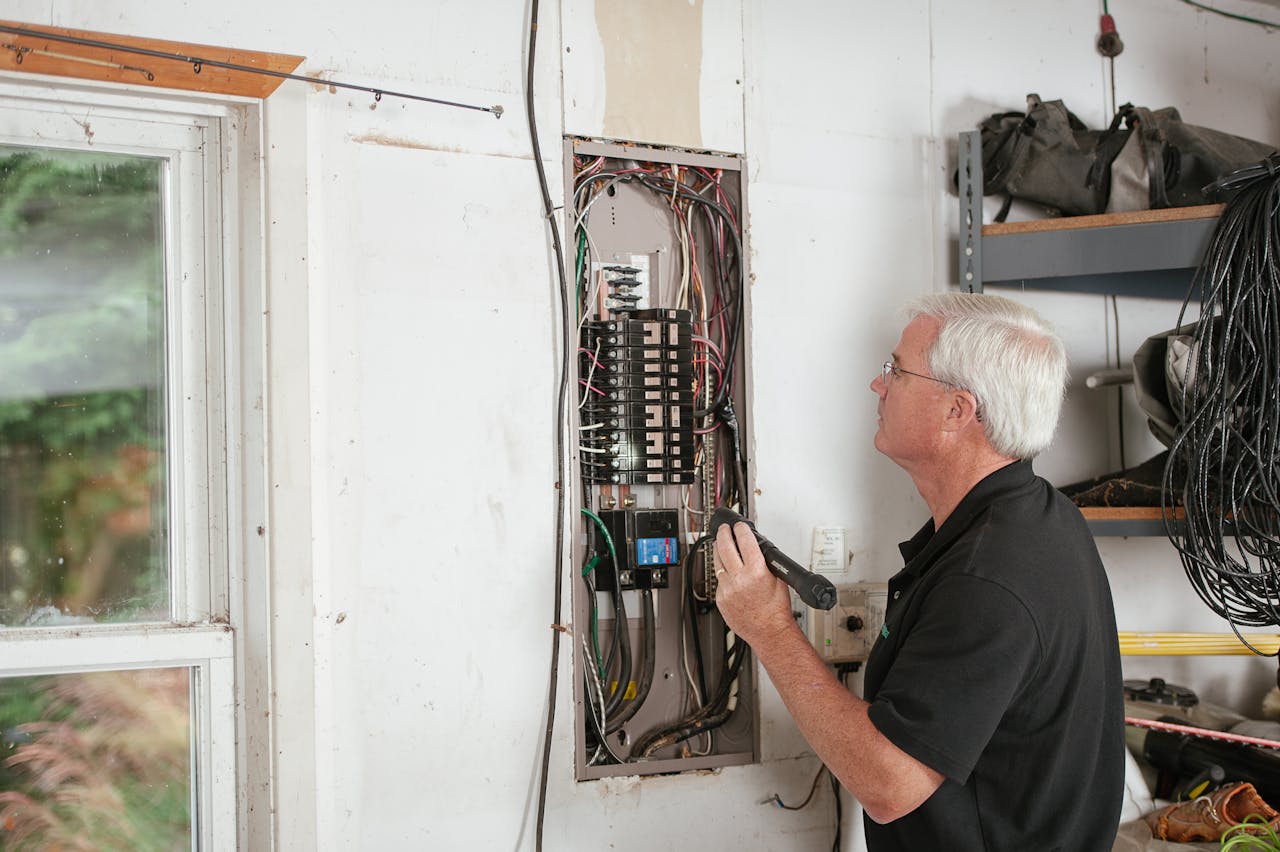
Understanding Electrical Troubleshooting for Surprised Homeowners
Stop Guessing and Start Solving Electrical Problems Safely
Electrical problems have a way of showing up at the worst time. Lights start flickering during a spring dust storm, or a breaker trips right before guests ring the doorbell. In a busy home, that kind of surprise is more than annoying. It can be unsafe if it keeps happening.
As homeowners in Surprise, it helps to understand the basics of electrical troubleshooting. You do not need to become an electrician, but you should know how to spot warning signs, take safe first steps, and recognize when it is time to bring in a licensed pro. That mix of awareness and caution can protect your family, your home, and your appliances.
We work on homes all over Surprise and the rest of the Valley, so we see the same kinds of issues pop up again and again. The heat, dust, and heavy AC use all put extra strain on electrical systems. Our goal is to share simple, local, real-world tips that help you stay safe and feel more confident when something electrical acts up.
Common Warning Signs Your Electrical System Needs Attention
Most electrical problems do not start with sparks. They start with small signs that something is not quite right. When you know what to watch for, you can act before a minor issue turns into a serious hazard.
Frequent breaker trips or blown fuses often mean something deeper is going on. It might be:
An overloaded circuit with too many devices
Old or damaged wiring behind the walls
An aging or undersized electrical panel
If a breaker trips once in a while, that can be normal. But if you are walking to the panel again and again, do not just keep flipping it back on. Repeated resetting without finding the cause can stress wiring, damage equipment, and hide real danger.
Flickering, dimming, or buzzing lights are another common warning sign. Some reasons this happens include:
Loose wire connections
Too many devices plugged into one circuit
Problems inside the light fixture itself
In Surprise, this often shows up when AC units kick on more often in the spring and warmer months. If lights dim every time the AC starts, that is your home telling you the system may be under strain.
Hot outlets, burning smells, or discolored wall plates are more urgent. Heat around a switch or outlet, scorch marks, or a burning plastic smell can point to:
Loose or failing connections
Worn or damaged wiring
Parts overheating behind the wall
If you notice these signs, turn off power to that circuit right away and do not try to take it apart yourself. This is the time to stop and bring in a licensed electrician.
Safe First Steps for Electrical Troubleshooting at Home
When something electrical stops working, it is tempting to start poking around until it comes back on. A safer plan is to slow down and follow a few simple steps.
First, protect yourself by turning off power to the area if you suspect any damage. That can mean:
Switching off the affected breaker
Keeping your hands dry
Avoiding standing on wet surfaces
Never touching exposed wires or open panels
It also helps to keep a simple, labeled map of your home’s electrical panel. When circuits are clearly marked, you are not guessing which breaker controls which room during a stressful moment.
There are a few basic checks most homeowners can do without tools. You can:
Plug a device into another outlet to see if the device is the problem
Try a new light bulb in a fixture that stopped working
Look for a tripped GFCI outlet in kitchens, bathrooms, garages, or outside
GFCI outlets have “test” and “reset” buttons and are a common source of mystery power loss. If an outlet stops working in a kitchen or bathroom, press the reset button on nearby GFCI outlets to see if power returns.
Know when to stop. Red flags that call for a professional include:
Burning smells or smoke
Breakers that keep tripping
Buzzing sounds from the panel or outlets
Shocks or tingles when you touch a switch or appliance
Flickering or dimming that does not go away
At that point, it is safer to let a licensed electrician handle the troubleshooting instead of taking more chances.
How Pros Diagnose Electrical Issues in Surprise Homes
When a licensed electrician comes to your home, they are not guessing. They follow a step-by-step process to track down what is really wrong.
We usually start with questions. When does the problem happen? Is it after a dust storm, when the AC kicks on, late at night, or when several appliances run at once? Your answers give clues about whether the issue is related to weather, heavy loads, or a single circuit.
Local conditions around Surprise shape how we troubleshoot. Heat can stress panels and connections, dust can work its way into outdoor outlets and equipment, and big AC systems can push older wiring to its limit. We keep those factors in mind as we test and inspect.
Electricians use tools that help us find issues that are not visible to the eye. That may include:
Simple circuit testers to see if outlets are wired correctly
Multimeters to check voltage and confirm power where it should be
Thermal imaging to spot hot spots that point to loose or overloaded connections
We also look beyond the one outlet or light that is acting up. A licensed electrician will check panel capacity, connection tightness, and basic code compliance to help reduce repeat problems and improve safety across the whole system.
Working with licensed, insured electricians matters for several reasons. Electrical work must meet Arizona codes, or you could end up with unsafe wiring that causes future issues. Proper work helps protect your home and can also help keep you in line with insurance requirements if something goes wrong later.
Seasonal Electrical Checks for a Safer Surprise Spring
Spring is a great time to give your electrical system a quick check before the long stretch of heavier AC use and outdoor time. A little attention now can help limit surprises later.
Start with the heart of your system, the electrical panel and major AC circuits. It can be smart to:
Have older panels inspected by a professional
Pay attention if breakers tied to AC units trip as weather warms up
Clear safe space around the panel so it is easy to reach in an emergency
Inside and outside the home, a few simple checks can help keep things safer for spring and summer gatherings. At least once a season, consider:
Testing exterior outlets and landscape lighting
Checking pool equipment circuits for any odd sounds or trips
Making sure GFCI outlets work when you press test, then reset correctly
Looking at weatherproof covers on outdoor outlets for cracks or gaps
Your daily habits can also reduce strain on your home’s wiring. Helpful habits include:
Avoiding running too many high-demand appliances on one circuit
Spreading kitchen gadgets across different outlets when possible
Unplugging items you are not using for long stretches
These small steps can mean fewer emergencies and a more dependable system as the months roll on.
When You Need More Than DIY
There is a clear line between simple homeowner checks and work that should only be done by a licensed electrician. Homeowners can safely handle basic visual checks, simple resets, and testing a device in a different outlet. But anything involving wiring, panels, or persistent electrical symptoms needs expert hands.
Electrical systems are not a place to experiment. When in doubt, stop, turn off power to the area if you can do so safely, and wait for a professional to inspect the problem. That choice protects your home, your family, and your peace of mind.
Restore Power and Safety to Your Home Today
If you are seeing warning signs like flickering lights or frequently tripped breakers, our team at County Electric Co. is ready to help with expert electrical troubleshooting surprise services. We take the time to diagnose the real issue so your home is safer and your system works the way it should. Reach out today and let us know what you are experiencing, and we will walk you through the next steps or schedule a visit. If you prefer, you can also contact us online to get started.
