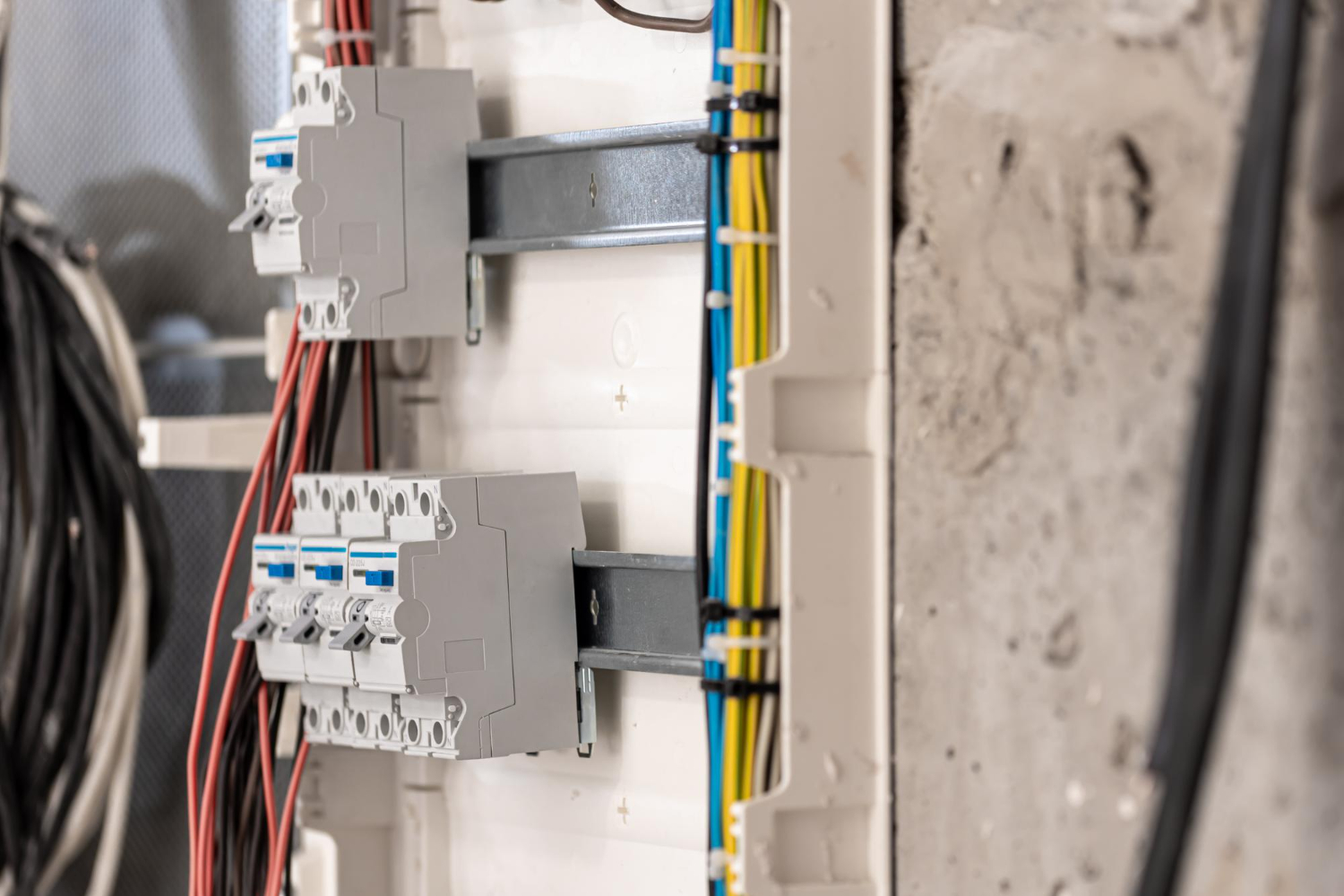
Electrical Panel Upgrade Cost in Phoenix and What to Expect
How Much Does an Electrical Panel Upgrade Cost in Phoenix, AZ in 2026?
Most Phoenix homeowners should budget for an electrical panel upgrade starting in the low-thousands for a straightforward 100-amp to 200-amp swap. Costs increase when the project involves service equipment, meter work, grounding corrections, added circuits, relocation, or older wiring. An on-site evaluation is the only reliable way to price your home accurately.
Upgrading an electrical panel is not only a cost decision. In the Phoenix metro, it affects AC reliability during extreme heat, electrical safety, home insurance documentation, and future capacity for EV chargers, remodels, appliances, or added circuits. Homes in Phoenix, Surprise, Scottsdale, and nearby communities can vary widely based on age, utility requirements, permit rules, and existing electrical conditions.
This guide explains what drives electrical panel upgrade cost in Phoenix, what can make the final price higher than expected, and how to plan before the power is shut off. If you want help reviewing your current system, County Electric Co. provides residential electrical services throughout the Phoenix metro.
What factors affect the cost of an electrical panel upgrade in Phoenix?
The biggest cost factors are panel size, existing wiring condition, service entrance condition, utility coordination, permit requirements, and whether the project is a simple replacement or a larger service upgrade. A newer home with a clean, accessible panel usually costs less to upgrade than an older home with outdated grounding, damaged equipment, or previous DIY electrical work.
Phoenix-area homes often have electrical demands that older panels were not built to support. Central air conditioning, electric dryers, pool equipment, EV chargers, home offices, and high-use kitchen appliances can all add load to the system. If your current panel is already crowded or undersized, adding one more high-demand circuit may not be safe without upgrading the service.
Age matters as well. Older homes in Phoenix, Scottsdale, and Surprise may have outdated grounding, mixed wiring materials, older breakers, or wiring changes made by previous owners. Those conditions can increase the labor and materials needed to bring the system up to current code.
Accessibility also affects the price. A panel located in a tight closet, blocked area, or exterior wall with poor working clearance may require relocation or added construction work. Relocation can involve conduit, stucco, drywall, or exterior finish repairs.
The service entrance is another major factor. If the mast, meter base, feeders, grounding electrode system, or bonding do not meet current standards, they may need to be upgraded along with the panel. That can turn a basic panel swap into a larger service project.
How does panel size affect the total cost?
Panel size has a direct impact on the total cost because larger electrical services require different equipment, heavier conductors, more labor, and sometimes utility-side coordination. In the Phoenix metro, the most common residential panel sizes are 100 amps, 200 amps, and 400 amps.
A 100-amp panel is more common in smaller or older homes. It may still be adequate for some properties, but it can become limiting if the home has heavy AC demand, electric appliances, pool equipment, or plans for future upgrades.
A 200-amp panel is the most common choice for many modern Phoenix homes. It provides more room for today’s electrical loads and future additions such as EV chargers, dedicated appliance circuits, hot tubs, or remodel-related circuits. For many homeowners, moving from 100 amps to 200 amps is the practical upgrade because it solves current capacity issues while reducing the chance of needing another upgrade soon.
A 400-amp service may be appropriate for larger homes, homes with multiple AC units, major additions, workshops, heavy equipment, or several high-demand electrical features. These projects usually cost more because they involve larger service equipment and more coordination.
The right size should not be guessed. A licensed electrician should perform a load calculation based on the home’s square footage, HVAC equipment, appliances, existing circuits, and planned future use. Choosing slightly more capacity than you need today can be cost-effective when it prevents another major electrical project later.
The U.S. Energy Information Administration has reported that space cooling accounts for about 12% of total residential electricity consumption nationwide, and Phoenix homes often place even heavier seasonal demand on cooling equipment because of the desert climate. A correctly sized panel helps keep those loads organized, protected, and code-compliant.
Do I need a permit for an electrical panel upgrade in Phoenix, AZ?
In most cases, yes. Electrical panel upgrades in Phoenix and nearby jurisdictions typically require a permit and inspection by the authority having jurisdiction. The permit process helps confirm that the new panel, service equipment, grounding, bonding, and installation methods meet current electrical code and local requirements.
Permits matter because a panel upgrade is not a cosmetic improvement. It changes or replaces critical electrical infrastructure that protects your home from overloads, faults, and unsafe wiring conditions. Proper permitting also creates documentation that may be useful for insurance, future buyers, home inspectors, and real estate transactions.
The permitting process can vary depending on whether the property is in Phoenix, Surprise, Scottsdale, or another Phoenix metro jurisdiction. Some projects also require utility coordination with APS or SRP, especially when the meter or service connection must be disconnected and reconnected.
A professional electrician should explain who pulls the permit, when the inspection happens, how long the power may be off, and whether utility coordination is needed. Homeowners should not have to guess about the permit process.
How does Arizona’s extreme heat affect electrical panels and upgrade costs?
Arizona heat affects electrical panels because outdoor equipment is often exposed to intense sun, high ambient temperatures, dust, and long cooling seasons. Those conditions can stress breakers, conductors, lugs, terminations, and enclosures, especially when the panel is older or heavily loaded.
Many Phoenix-area panels are mounted outside. When an outdoor panel sits in direct sun, the enclosure can become extremely hot, and heat buildup can make weak connections or overloaded circuits more likely to show problems. Breakers are designed to protect circuits, but they still need proper installation, correct sizing, and a suitable enclosure.
Extreme heat also makes AC reliability a higher priority. A weak or overloaded panel may show symptoms when the air conditioner, dryer, microwave, or pool equipment runs. Flickering lights, frequent breaker trips, buzzing, or warmth around the panel should never be ignored.
A quality upgrade may include NEMA-rated outdoor equipment, properly torqued connections, correct grounding and bonding, and thoughtful placement where code allows. These details can affect cost, but they also affect long-term reliability in a desert climate.
What warning signs show that a Phoenix electrical panel may need upgrading?
Common warning signs include frequent breaker trips, flickering lights, warm panel covers, buzzing sounds, burning odors, rust, corrosion, old fuse boxes, or a panel that does not have room for new circuits. These symptoms may point to overload, loose connections, outdated equipment, or a panel that is no longer appropriate for the home’s electrical demand.
Frequent breaker trips are one of the most common reasons homeowners call for help. A breaker that trips once may be doing its job, but repeated trips on the same circuit should be evaluated. Replacing the breaker without understanding the cause can hide a larger problem.
Flickering lights are also important, especially if they happen when the AC, microwave, dryer, or other large appliance starts. Some brief dimming can occur with large loads, but consistent flickering can point to a loose neutral, overloaded circuit, undersized service, or failing equipment.
A burning smell, visible scorching, buzzing, or heat around the panel should be handled urgently. If you notice these signs, stop using the affected circuit if it is safe to do so and call a licensed electrician. County Electric Co. provides electrical services for urgent issues throughout the Phoenix metro.
Older fuse boxes and certain aging panels may also be flagged by home inspectors or insurers. Even if the system appears to work, it may not provide the capacity, safety features, or documentation expected in today’s Phoenix real estate market.
What is the difference in cost between a panel repair and a full panel replacement?
A panel repair usually costs less than a full replacement because it addresses a specific issue, such as a damaged breaker, loose connection, labeling problem, or minor correction. A full panel replacement or upgrade costs more because it involves replacing the panel itself and may include service conductors, grounding, bonding, meter equipment, permits, and inspection.
Repair can make sense when the panel is relatively modern, properly sized, in good condition, and the issue is isolated. For example, replacing a failed breaker may be appropriate if the panel is otherwise safe and the circuit is not overloaded.
Replacement is usually the better option when the panel is obsolete, damaged, overloaded, corroded, unsafe, or too small for the home’s needs. If a homeowner is planning an EV charger, remodel, pool equipment, or major appliance upgrade, a repair may not solve the capacity problem.
The most expensive mistake is paying for repeated small repairs when the panel really needs to be upgraded. A licensed electrician should explain whether a repair is a practical fix or whether it only delays the inevitable.
What hidden costs do Phoenix homeowners often overlook when budgeting for a panel upgrade?
Hidden costs often come from conditions that are not visible until the panel is opened or the service equipment is inspected. Common examples include outdated grounding, damaged feeders, an old meter base, service mast issues, aluminum branch wiring, unsafe DIY work, or the need to relocate the panel for proper clearance.
Grounding and bonding corrections are common in older homes. Current code requirements may differ from what was acceptable when the home was built. If the grounding electrode system is missing, damaged, or incomplete, it may need to be updated during the upgrade.
Meter base and service entrance issues can also change the scope. If the meter socket, mast, weatherhead, or service conductors are outdated or damaged, replacing the panel alone may not be enough. Utility coordination with APS or SRP may also be required when the service must be disconnected and reconnected.
Construction repairs are another overlooked item. If the panel must be relocated or the wall must be opened, there may be drywall, stucco, paint, or exterior finish work involved. Homeowners should ask whether those repairs are included in the estimate or handled separately.
Permit and inspection timing can affect the schedule. Most straightforward panel swaps may be completed in about a day, with the power off for several hours, but more complex projects can take longer. Inspection availability, utility scheduling, and discovered code corrections can extend the timeline.
A good estimate should identify likely extras before the work begins. No contractor can see through walls, but an experienced Phoenix electrician should be able to explain the most likely cost variables based on the home’s age, panel condition, and service setup.
How can a panel upgrade affect home value, insurance, and resale in Arizona?
A properly upgraded electrical panel can support home value by reducing inspection issues, improving buyer confidence, and making the home more ready for modern electrical needs. In the Phoenix real estate market, buyers often expect reliable air conditioning, safe electrical service, and enough panel capacity for current and future living.
A modern panel can be especially helpful when the home has or may soon have EV charging, high-efficiency HVAC equipment, a kitchen remodel, a pool system, or a home office setup. Buyers may not assign a fixed dollar value to the panel, but they often notice when an electrical system looks outdated, crowded, or flagged by an inspector.
Insurance can also be affected by electrical condition. Some insurers may question older panels, fuse boxes, damaged equipment, or unpermitted electrical work. A permitted upgrade with inspection documentation can make those conversations easier.
The return on investment varies by home, neighborhood, and project scope. The practical value is clearer: fewer electrical limitations, better capacity for high-demand systems, improved documentation, and a safer foundation for future upgrades.
What questions do Phoenix homeowners ask about electrical panel upgrades?
How much does an electrical panel upgrade cost in Phoenix, AZ?
Most Phoenix electrical panel upgrades start in the low-thousands for a straightforward 100-amp to 200-amp swap. Costs increase when the work involves service entrance upgrades, meter base replacement, relocation, grounding corrections, added circuits, or older wiring. An on-site evaluation is the only way to get an accurate estimate for your home.
How long does an electrical panel upgrade take in Phoenix?
Many straightforward panel swaps are completed in about one day, with power off for several hours. More complex projects can take longer if they require utility coordination, added corrections, relocation, or inspection scheduling. Your electrician should explain the expected timeline before work begins.
Do I need a permit to upgrade my electrical panel in Phoenix, AZ?
In most cases, yes. Electrical panel upgrades typically require a permit and inspection from the local authority having jurisdiction. Proper permits help confirm that the work meets current code and provide documentation for insurance, resale, and future electrical work.
What size panel do I need for my Phoenix home?
Some smaller or older homes may still use 100 amps, but many modern Phoenix homes benefit from 200 amps or more. Larger homes, multiple AC units, EV chargers, workshops, or heavy electrical loads may require 400-amp service. A licensed electrician should perform a load calculation before recommending a size.
How do I know if my electrical panel needs to be replaced?
Warning signs include frequent breaker trips, flickering lights, buzzing, heat, rust, corrosion, a burning smell, an old fuse box, or no room for additional circuits. You may also need replacement if the panel is obsolete, damaged, undersized, or flagged by an inspector or insurer. A licensed electrician can determine whether repair or replacement is the safer choice.
Does an electrical panel upgrade increase home value in Arizona?
A panel upgrade can improve marketability by reducing inspection concerns and supporting modern electrical needs such as reliable AC, EV charging, and future remodeling. It may also help with insurance questions when older equipment is replaced through permitted, inspected work. Exact value impact varies by home and market conditions.
Can I stay in my home during a panel upgrade?
Most homeowners can stay home during the work, but the power will usually be off for several hours. In Phoenix heat, it is smart to plan ahead for air conditioning, refrigeration, internet, pets, and medical equipment. Your electrician should explain the outage window and any preparation steps.
What is the difference between a panel upgrade and a panel replacement?
A panel replacement usually means replacing an old or damaged panel with a new panel of similar capacity. A panel upgrade typically means increasing service capacity, such as moving from 100 amps to 200 amps, and may include related service equipment updates. Many projects involve both replacement and upgrade at the same time.
How do I find a licensed electrician for a panel upgrade in Phoenix?
Start by verifying AZ ROC licensing and insurance. Then ask about panel upgrade experience, permits, APS or SRP coordination, inspection scheduling, equipment options, and written pricing. A good electrician should explain the scope clearly and identify possible extras before the work begins.
How do I get started with County Electric Co.?
The first step is to schedule an on-site assessment so our team can inspect your existing panel, wiring, service entrance, and future electrical needs. From there, we provide a transparent estimate and explain your options clearly. You can schedule service with County Electric Co. here.
How can County Electric Co. help with your Phoenix electrical panel upgrade?
If you are facing an unexpected electrical panel upgrade surprise, we are ready to help you sort it out safely and efficiently. County Electric Co. has served the Phoenix metro for 20+ years, and our team is AZ ROC licensed #233011, bonded, and insured. We offer transparent pricing, no surprise invoices, same-day availability for urgent electrical issues, and free estimates so you can make a confident decision before work begins.
Get Started With Your Project Today
If you are facing an unexpected electrical panel upgrade surprise, we are ready to help you sort it out safely and efficiently. At County Electric Co., we take the time to explain your options clearly so you can make a confident decision about your home’s electrical system. Reach out today and let us schedule a visit that works with your timeline and budget, or contact us with any questions before you move forward.
